
Your Middletown Water, Mold and Biohazard Damage Restoration Team
- Home
- /
- Locations
- /
- Connecticut
- /
- Restoration Services in Middletown
Property damage from water, fire, mold, or biohazards can strike Middletown homes without warning, leaving homeowners facing urgent decisions about restoration and recovery. Professional restoration and mitigation services provide 24/7 emergency response to minimize damage, ensure safety, and restore your property to its pre-loss condition through proven techniques and specialized equipment. Understanding how these services work helps you respond effectively when disaster occurs.
We’ve assembled this guide to explain the restoration process for Middletown homeowners dealing with water damage, fire aftermath, mold growth, or biohazard situations. Each type of damage requires specific approaches and timelines, but all share the same goal of protecting your property and health through rapid, thorough intervention.
The restoration industry has developed standardized methods for handling these emergencies, from initial assessment through complete recovery. Knowing what to expect from professional restoration teams, how they work with insurance companies, and what actions you can take to protect your home gives you confidence during stressful situations.
Top to Bottom Comprehensive Restoration and Mitigation Services in Middletown, CT
Property damage from water, fire, mold, or biohazardous materials requires immediate professional intervention to prevent further deterioration and health risks. Our restoration services address each type of emergency with specialized equipment, IICRC-certified techniques, and rapid response times to protect your Middletown property.
24 Hour Water Damage Mitigation Services in Middletown
We begin every water damage restoration project with a thorough assessment using moisture meters and thermal imaging cameras to identify all affected areas. This technology allows us to detect hidden water pockets behind walls, under flooring, and in ceiling cavities that could lead to secondary damage if left untreated.
Our water extraction process uses industrial-grade pumps and vacuums to remove standing water quickly. Time is critical in these situations, as prolonged exposure to moisture compromises structural materials and creates ideal conditions for mold growth within 24-48 hours.
Following water removal, we deploy commercial dehumidifiers and high-velocity air movers throughout the affected space. This drying and dehumidification phase typically takes 3-5 days depending on the extent of saturation and the materials involved. We monitor moisture levels daily to ensure complete drying before proceeding with repairs.
Our restoration professionals also address sanitization concerns, particularly when dealing with contaminated water from sewage backups or flooding. We apply antimicrobial treatments to prevent bacterial growth and ensure your property is safe for reoccupancy.
- 24/7 Emergency Response Services
- Advanced Water Extraction Equipment
- Professional Moisture Detection
- Structural Drying and Dehumidification
- Content Cleaning and Restoration
- Mold Prevention Services
- Direct Insurance Billing

Our Fire Damage Restoration Process in Middletown
Fire damage restoration extends beyond visible burn damage to address the pervasive effects of smoke and soot throughout your property. We assess both structural integrity and air quality concerns before developing a comprehensive recovery plan tailored to your specific situation.
Smoke damage restoration requires specialized techniques for different surfaces. Porous materials like drywall and upholstery absorb smoke particles deeply, while non-porous surfaces such as metal and glass can often be cleaned more easily. We use appropriate cleaning agents and methods for each material type to maximize salvage rates.
Our air scrubbers and HEPA filtration systems run continuously during the restoration process to remove airborne particles and improve indoor air quality. These systems capture microscopic soot particles that settle throughout the property, even in rooms far from the fire’s origin.
Odor elimination represents one of the most challenging aspects of fire damage restoration. We employ thermal fogging, ozone treatment, and hydroxyl generators to neutralize smoke odors at the molecular level rather than simply masking them with fragrances.
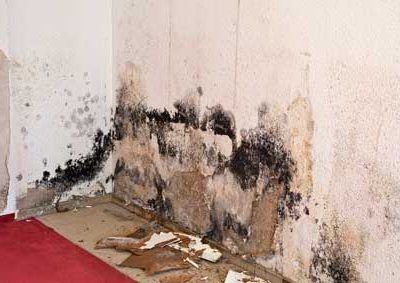
Our Mold Removal Process in Middletown
We conduct comprehensive visual inspections and moisture assessments to identify the source and extent of mold growth in your property. Mold remediation cannot succeed long-term without addressing the underlying moisture problem that allowed fungal growth to develop initially.
Our containment protocols prevent mold spores from spreading to unaffected areas during the removal process. We seal off work zones with plastic sheeting and establish negative air pressure using HEPA-filtered air scrubbers that exhaust outside the building.
The mold removal process includes physical removal of contaminated materials that cannot be salvaged and thorough cleaning of affected surfaces with antimicrobial solutions. We remove and properly dispose of heavily contaminated drywall, insulation, and carpeting according to environmental regulations.
Post-remediation verification ensures the work meets industry standards. We conduct final moisture readings and visual inspections to confirm all mold has been removed and the environment is dry. Our restoration specialists also provide recommendations for preventing future mold growth through improved ventilation, dehumidification, and moisture control strategies.
Our comprehensive mold remediation services include:
- Free visual mold inspection and assessment
- Advanced moisture detection and testing
- Safe containment of affected areas
- Complete mold removal and remediation
- HEPA air filtration and sanitization
- Structural drying and dehumidification
- Preventive treatments to stop future growth
- Post-remediation testing and verification

Advanced Biohazard Cleanup and Restoration
Biohazard cleanup requires strict adherence to OSHA regulations and CDC guidelines to protect both our technicians and property occupants. We respond to trauma scenes, crime scenes, unattended deaths, hoarding situations, and sewage contamination with the specialized training and equipment these scenarios demand.
Our restoration company arrives fully equipped with personal protective equipment including respirators, chemical-resistant suits, and multiple layers of gloves. We use EPA-registered disinfectants proven effective against bloodborne pathogens and other biological hazards specific to each situation.
The decontamination process includes safe removal and proper disposal of contaminated materials through licensed medical waste facilities. We follow a systematic approach:
- Assessment and documentation of all affected areas
- Containment to prevent cross-contamination
- Physical removal of biohazardous materials
- Deep cleaning and disinfection of all surfaces
- Odor removal using enzymatic cleaners and air filtration
- Final verification to ensure complete decontamination
We maintain complete discretion throughout the property restoration process and provide detailed documentation for insurance claims. Our emergency response team is available 24/7 to address these sensitive situations with professionalism and compassion.
Special Considerations and Best Practices for Homeowners
Homeowners in Middletown CT face unique challenges when dealing with restoration emergencies that require immediate attention and proper handling. We recommend focusing on structural integrity, emergency water damage control, insurance documentation, and prevention of additional complications like mold growth.
Identifying and Addressing Structural Damage
We always prioritize structural damage assessment before beginning any restoration work. Warning signs include uneven floors, doors that won’t close properly, visible cracks in foundations or walls, and sagging ceilings.
Water damage from flooding or burst pipes can compromise floor joists, wall studs, and support beams. We examine these areas carefully because hidden moisture weakens wood framing and drywall over time.
Critical structural elements to inspect:
- Foundation walls and basement areas
- Load-bearing walls and support columns
- Roof trusses and ceiling joists
- Floor systems and subflooring
Fire damage affects structural integrity differently than water damage. Heat weakens steel supports and burns through wooden framing members. We coordinate with structural engineers when damage severity is uncertain.
Professional property restoration services use thermal imaging and moisture meters to detect hidden problems. These tools identify water intrusion behind walls and under flooring that visual inspections miss.
Managing Burst Pipes and Flooding Incidents
Burst pipes require immediate action to minimize damage and prevent mold growth. We shut off the main water supply first, then document the damage with photos before starting water mitigation.
Immediate response steps:
- Turn off electricity to affected areas
- Stop the water source completely
- Remove standing water within 24-48 hours
- Begin dehumidification immediately
We deploy industrial-grade dehumidifiers and air movers for effective water restoration. Standard residential dehumidifiers cannot handle the volume of moisture from flooding incidents. Water extraction must happen quickly because mold can begin growing within 24 to 48 hours.
Flooding from storms brings contaminated water that requires specialized cleaning protocols. We classify this as Category 3 water damage, which contains harmful bacteria and requires professional water mitigation services.
Structural repairs often follow water restoration once materials are completely dry. We monitor moisture levels with meters to confirm drying is complete before closing walls or replacing flooring.
Insurance Coordination and Claims
We document everything before restoration and repair work begins. Take detailed photos and videos of all damaged areas, personal property, and structural issues from multiple angles.
Contact your insurance company within 24 hours of discovering damage. We provide detailed estimates that include water restoration, mold remediation services, structural repairs, and contents cleaning.
| Documentation Type | Purpose | Timing |
|---|---|---|
| Photos/Videos | Visual proof of damage extent | Immediately upon discovery |
| Written Inventory | Track damaged belongings | Before removal or disposal |
| Professional Estimates | Support claim amounts | Within 48-72 hours |
| Mitigation Records | Prove prompt action taken | Throughout restoration process |
Many homeowners insurance policies cover water mitigation costs when damage results from sudden incidents like burst pipes. Gradual leaks or maintenance issues typically aren’t covered.
We recommend requesting advance payments for emergency services like water extraction and dehumidification. Most insurers approve these costs quickly because they prevent more expensive secondary damage.
Keep all receipts for emergency repairs, temporary housing, and property protection measures. American Restoration standards require documentation of all work performed and materials used.
Preventing Secondary Issues After Restoration
Mold growth is the most common secondary issue we encounter after water damage. A thorough mold inspection should follow any flooding or significant water intrusion event.
We maintain humidity levels below 60% using commercial dehumidifiers throughout the restoration process. Higher humidity creates ideal conditions for mold spores to colonize within 24-48 hours.
Post-restoration prevention checklist:
- Schedule mold inspection 3-5 days after water restoration
- Continue running dehumidifiers until moisture readings stabilize
- Monitor previously wet areas for musty odors
- Check hidden spaces like crawlspaces and attics
Professional mold removal services address contamination that develops during or after water damage events. DIY mold removal often spreads spores to unaffected areas and doesn’t address root causes.
We inspect HVAC systems after fire or water damage because smoke particles and mold spores circulate through ductwork. Cleaning or replacing air filters prevents contamination from spreading to restored areas.
Regular monitoring for six months after restoration helps catch developing issues early. We check for water stains, musty odors, or returning moisture that indicates incomplete drying or new leaks.
Residential services should include final moisture readings and clearance testing. These confirm that restoration work successfully eliminated moisture and contamination risks.
Restoration and repair services
We Provide

Mold Removal

Fire Damage

Biohazard Cleanup

What commercial or residential service
can we help you with today?
Reasons Why Customers
Choose Our Experienced Team

Upfront pricing

Highly rated team

Decades of experience

Skilled and trained technicians

24/7 emergency services

Eco-Friendly & saving solutions

1000's of satisfied customers

Certified and trained techs

We work with your insurance company
