
Your Glendale Water, Fire, Mold and Biohazard Damage Restoration Team
Call Us TodayWe manage disasters with proven techniques that address each issue—from water extraction and drying to soot removal, microbial remediation, and hazardous material cleanup. Our focus stays on efficient solutions that return your home or business to a safe, stable condition with minimal disruption.
As we look deeper into water, fire, mold, and biohazard mitigation in Glendale, we’ll outline what to expect from professional services and explain how local factors like climate and building materials influence recovery. By understanding these details, you can make informed decisions that keep your property protected.
We provide property owners in Glendale, Arizona with professional damage mitigation services that address water, fire, mold, and biohazard risks. Our technicians focus on rapid response, safety compliance, and proven restoration methods to reduce long-term costs and restore healthy environments.
Water Damage Restoration and Mitigation Process
Our process typically includes:
- Inspection and moisture mapping with digital meters.
- Water extraction using submersible pumps and wet vacuums.
- Drying with industrial air movers and dehumidifiers.
- Sanitization with antimicrobial agents to prevent secondary damage.
We document humidity readings and material moisture levels throughout. This helps confirm progress and supports insurance reporting. When structural materials like drywall or flooring are unsalvageable, we handle necessary removal and replacement to complete the restoration.

Fire and Soot Removal Solutions
Our fire damage restoration process includes controlled demolition of charred building materials and soot removal from surfaces using HEPA filtration and vacuuming equipment. We clean different materials with specialized solutions:
- Dry sponges for light soot on painted walls.
- Chemical cleaners for severe or greasy residues.
- Thermal fogging and ozone treatment to neutralize odor compounds.
We also test air quality during cleanup to verify that harmful particulates have been adequately reduced before re-occupancy. Restoring a safe and clean environment remains our main objective.
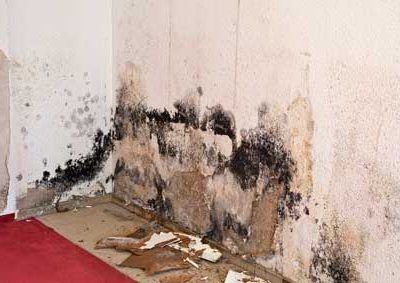
Our Mold Removal Process
We isolate affected areas using physical barriers and negative air pressure to stop spore migration. Contaminated materials such as drywall or insulation are carefully removed and sealed in polyethylene bags before disposal. Non-porous surfaces are scrubbed with EPA-approved biocides, then wiped with microfiber cloths to capture residual spores.
Once removal is complete, our team dries the area with dehumidifiers and air movers to return the humidity to safe levels. We may apply a post-treatment antimicrobial coating to discourage regrowth. Proper documentation supports compliance with recommended remediation standards.
Our proven mold removal process includes:
- Advanced moisture detection and thermal imaging to locate hidden water sources
- Containment setup using negative air pressure to prevent cross-contamination
- HEPA air filtration to capture airborne mold spores
- Safe removal of affected materials and professional disposal
- Antimicrobial treatments to eliminate remaining spores
- Structural drying and dehumidification
- Post-remediation testing to verify successful removal

Comprehensive Biohazard Cleanup and Safety
Our technicians wear appropriate personal protective equipment (PPE) and follow OSHA bloodborne pathogen standards. Work areas are secured to prevent exposure, and all contaminated materials are double-bagged for disposal through licensed waste facilities.
Disinfection uses hospital-grade agents proven to eliminate bacteria and viruses. We test surfaces for cleanliness using ATP meters to verify results. Clients receive a written report confirming treatment completion and compliance with state and federal regulations.
These disciplined protocols allow us to restore affected spaces safely and efficiently while protecting occupants and technicians alike.
- Crime scene cleanup and decontamination
- Blood and bodily fluid removal
- Unattended death cleanup
- Hoarding situation remediation
- Infectious disease decontamination
- Accident scene cleanup
- Sewage backup cleanup
- Tear gas residue removal
Special Considerations for Property Owners
Emergency Response and Insurance Coordination
Coordinating with insurance carriers is essential for a smooth claim process. Our team documents every stage—from photographs of affected areas to moisture and air quality readings—to verify the scope of damage. This evidence supports accurate claim evaluation and expedites coverage decisions.
We also recommend maintaining an emergency plan that lists key contacts such as restoration contractors, insurance representatives, and utility providers. Keeping documentation organized allows property owners to avoid delays in approval for cleanup and repair work. A transparent record keeps communication clear between all involved parties.
Residential and Commercial Property Solutions
We implement separate project plans for each property type. In homes, restoration focuses on comfort, safety, and long-term durability. In commercial settings, we coordinate with facility managers to ensure mold remediation and biohazard cleanup meet OSHA and local environmental standards while minimizing operational disruption.
A clear plan, responsive team, and defined procedures help restore safety, structure, and peace of mind for every Glendale property owner we assist.
Restoration and repair services
We Provide

Mold Removal

Fire Damage

Biohazard Cleanup

What commercial or residential service
can we help you with today?
Reasons Why Customers
Choose Our Experienced Team

Upfront pricing

Highly rated team

Decades of experience

Skilled and trained technicians

24/7 emergency services

Eco-Friendly & saving solutions

1000's of satisfied customers

Certified and trained techs

We work with your insurance company
