
Your Mountain View Water, Fire, Mold and Biohazard Damage Restoration Team
Call Us Today- Home
- /
- Locations
- /
- California
- /
- Restoration Services in Mountain...
When disaster strikes—whether it’s water intrusion, fire, mold, or biohazard—you need quick, professional help to stop the damage and keep your property’s value intact. Folks in Mountain View, CA, know that the area’s climate and building styles can make restoration a bit tricky. Knowing when to call in experts and what to expect can make a huge difference in how things turn out.
Professional restoration and mitigation services tackle everything from water extraction and mold removal to decontaminating biohazards and restoring your home to its original state. Fast action matters. That’s why we’re on call 24/7 for emergencies in Mountain View and nearby areas—because sometimes, waiting just isn’t an option.
We work hand-in-hand with homeowners and insurance companies to make the whole process as smooth as possible, from the first inspection right through to repairs. Our certified technicians stick to industry standards to make sure your home is safe, clean, and sound after any kind of damage.
Comprehensive Home Restoration & Mitigation Services in Mountain View CA
Restoration services in Mountain View cover four main types of damage: water that needs immediate removal and drying, fire and smoke damage that calls for specialized cleaning and repairs, mold that has to be remediated, and biohazard situations that require careful decontamination.
Water Damage Assessment and Emergency Response
We jump into action within the first hour after you call, assessing how much water has gotten in and coming up with a plan. Our IICRC-certified techs use moisture meters, thermal cameras, and hygrometers to find all the wet spots—even the ones hiding behind walls or under floors.
Water extraction starts right away with heavy-duty pumps and vacuums. We sort water damage by how much stuff has soaked up and by how clean or dirty the water is, which guides how we treat it. Clean water from a burst pipe? That’s one thing. Sewage backup? Totally different ball game.
We set up air movers and dehumidifiers to dry things out and keep mold from showing up (which can happen fast—sometimes in just a day or two). Moisture levels are checked daily, and we’ll move equipment around as needed to get every bit of dampness out.
Our team handles water damage from things like burst pipes, broken appliances, roof leaks, and floods. We’ll get water out of carpets, hardwood, drywall, insulation, and even your stuff, all while documenting everything for your insurance claim.
Our water damage restoration services include:
- 24/7 emergency response
- Complete property assessment and damage evaluation
- Advanced water extraction and removal
- Professional structural drying
- Dehumidification services
- Mold prevention and remediation
- Content restoration and pack-out services
- Odor removal and sanitization
- Direct insurance billing

Our Fire and Smoke Damage Restoration Process
Fire damage isn’t just about what got burned. Smoke and soot can keep causing problems long after the flames are out. We secure your property with emergency board-ups and tarps to keep out weather and unwanted visitors while we work.
Cleaning up smoke is a different job depending on what burned. Cooking fires leave behind thin, smelly residues, while fires from plastics or synthetics create thick, sticky soot that can get everywhere—even into your HVAC system. We test surfaces to figure out the best way to clean them up.
Our smoke damage restoration process includes:
- Dry cleaning for lighter residues—think sponges and vacuums
- Wet cleaning with gentle, pH-balanced solutions for moderate smoke films
- Abrasive cleaning for heavy soot on tougher surfaces
- Immersion cleaning for things that can be soaked and restored
We use thermal foggers and ozone machines after cleaning to actually neutralize smoke odors instead of just covering them up. Air scrubbers with HEPA filters run the whole time to catch anything floating around.
Mold Inspection, Remediation, and Prevention
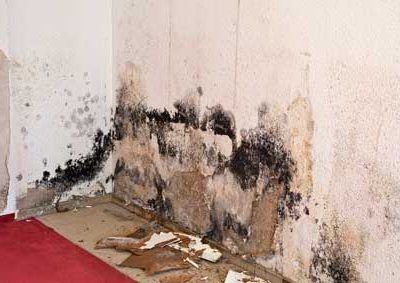
Mold remediation starts with finding where the moisture’s coming from and checking how far the mold has spread. We’ll take air and surface samples to identify the mold type and see how bad things are before starting cleanup.
To keep mold from spreading, we seal off affected areas with plastic sheeting and use negative air pressure with HEPA air scrubbers. That way, spores stay put and don’t drift into other rooms.
We remove anything that can’t be cleaned, like drywall, insulation, and carpet padding. Salvageable surfaces get cleaned with antimicrobial solutions and HEPA vacuums. All the contaminated stuff gets double-bagged and tossed out according to local rules.
After we’re done, we do clearance testing to make sure the mold’s really gone. Fixing the moisture problem is key, so we’ll recommend repairs and maybe some dehumidification to keep mold from coming back. We document everything, so you have proof that mold levels are back to normal.
Our proven mold removal process includes:
- Complete property assessment and moisture source identification
- Advanced testing to determine mold types and contamination levels
- Installation of HEPA air filtration devices
- Removal of contaminated materials and proper disposal
- Professional-grade antimicrobial treatments
- Thorough cleaning of HVAC systems and air ducts
- Structural drying and dehumidification
- Post-remediation testing to ensure successful removal

Biohazard and Crime Scene Cleanup Procedures
Biohazard cleanup isn’t a job for just anyone—it takes special training, gear, and disposal methods to handle blood, bodily fluids, or anything infectious safely. We follow OSHA and EPA rules for all crime scene and biohazard cleanups.
Our crew wears full protective gear: respirators, goggles, puncture-resistant gloves, and full suits. We remove contaminated materials, then scrub and disinfect everything with hospital-grade cleaners approved by the EPA.
For tough odors, we use enzymatic cleaners that break down organic stuff at the source. We treat subfloors, concrete, and other porous surfaces that might have absorbed biohazards. Air quality gets tested before anyone moves back in, just to be sure it’s safe.
We keep things confidential, working with law enforcement, property owners, and insurance as needed. Our goal is to provide discreet, respectful service while making sure everything’s restored and up to code.
Our biohazard cleanup process includes:
- Initial assessment and containment of affected areas
- Professional removal of contaminated materials
- Medical waste disposal following EPA guidelines
- Complete sanitization and decontamination
- Deodorization of affected spaces
- Application of hospital-grade disinfectants
- Air quality testing and verification
Expert Solutions, Industry Standards, and Local Partnerships
Restoration in Mountain View means having certified experts who know the latest protocols and can work smoothly with your insurance company. IICRC certification shows our techs use proven methods for drying, damage assessment, and full recovery for all kinds of properties.
Selecting an IICRC-Certified Restoration Partner
We always look for IICRC-certified restoration companies. That certification means they’ve mastered the right techniques for water extraction, fire cleanup, mold remediation, and biohazard handling. The Institute of Inspection, Cleaning and Restoration Certification sets the bar high for training and standards.
Certified techs know how to map moisture, use thermal imaging, and set up proper containment to stop further damage. In Mountain View, with its older buildings and weird microclimates, that specialized know-how really matters.
When picking a restoration partner, we check that their certifications actually match the damage you’re dealing with. IICRC covers water, fire and smoke, mold, and structural drying—each with its own set of skills. The best pros keep up with continuing education so they’re ready for whatever comes next.
Structural Drying and Storm Damage Repair
Getting a building dry isn’t just about setting up a few fans. We use industrial dehumidifiers, air movers, and moisture meters to track the drying process in walls, subfloors, and ceilings—anywhere water might be hiding.
Mountain View storms can overwhelm local drainage and let water sneak into places you wouldn’t expect. We focus on drying out framing, insulation, and under flooring to make sure there’s no hidden moisture left. Restoration standards say you shouldn’t close up walls or replace finishes until moisture readings are back to normal.
Key parts of structural drying:
- Air movement helps water evaporate from surfaces
- Dehumidification pulls moisture out of the air to keep things drying
- Temperature control speeds up evaporation
- Monitoring tracks progress and confirms when it’s done
Just cleaning the carpet isn’t enough if water’s gotten into the padding or subfloor. We’ll pull out anything that can’t be dried in time to prevent bigger problems down the road.
Insurance Coordination and Restoration Industry Best Practices
We document all damage with photos, moisture readings, and detailed reports—basically, everything insurance adjusters want to see for processing claims. By working directly with carriers, we can speed up approvals and cut down on those frustrating coverage disputes.
Restoration partners who know the ins and outs of insurance use Xactimate or similar software, so estimates land in a familiar format. We keep everyone in the loop as the project moves along, especially if we run into surprises like hidden mold or unexpected structural issues that might change the claim.
Insurance coordination checklist:
| Task | Purpose |
|---|---|
| Emergency mitigation documentation | Establishes initial damage extent |
| Moisture mapping reports | Proves affected areas and drying progress |
| Content inventory | Tracks salvageable and damaged items |
| Daily progress photos | Demonstrates work completion |
Mountain View restoration projects really benefit from the connections local companies have with regional insurance offices. We push for thorough repairs but always keep policy limits and coverage terms in mind. The goal? Making sure you get what you’re owed, without getting stuck in paperwork limbo.
Restoration and repair services
We Provide

Mold Removal

Fire Damage

Biohazard Cleanup

What commercial or residential service
can we help you with today?
Reasons Why Customers
Choose Our Experienced Team

Upfront pricing

Highly rated team

Decades of experience

Skilled and trained technicians

24/7 emergency services

Eco-Friendly & saving solutions

1000's of satisfied customers

Certified and trained techs

We work with your insurance company
