
Your Pittsburg Water, Fire, Mold and Biohazard Damage Restoration Team
Call Us Today- Home
- /
- Locations
- /
- California
- /
- Restoration Services in Pittsburg
Property damage from water, fire, mold, or biohazardous materials can hit when you least expect it, leaving homeowners and business owners in Pittsburg CA scrambling for answers. The sooner you act, the better your chances of minimizing costs and getting back to normal. Professional restoration services in Pittsburg CA know how to handle these emergencies, using specialized gear and trained crews to get properties safe and livable again.
Honestly, we get it—facing property damage is overwhelming and it’s tough to know where to start. Whether it’s a burst pipe, fire, mold, or biohazard mess, knowing your options helps you move forward with a little more confidence.
This guide gives you the rundown on restoration services in Pittsburg CA and breaks down how each type of damage needs its own approach. We’ll lay out what the pros actually do and how they protect your property and health, so you know what to expect if disaster strikes.
Comprehensive Restoration Services in Pittsburg CA
Restoration companies in Pittsburg tackle water, fire, mold, and biohazard issues using protocols and equipment tailored to each situation. These jobs require fast action and know-how to keep damage from spreading and to make your space safe again.
Water Damage Assessment and Emergency Extraction
Water damage assessment starts as soon as we get to your Pittsburg property. We use moisture meters, infrared cameras, and hygrometers to find every spot that’s been hit by water—even the ones hiding in walls or under flooring.
Emergency extraction means we get standing water out right away with heavy-duty pumps and truck-mounted units. Every hour counts; water just keeps seeping into more places the longer it sits.
Advanced structural drying comes next and usually involves:
- Commercial dehumidifiers placed where they’ll work best
- High-velocity air movers to help things dry faster
- Moisture checks every day or two until everything’s back to normal
- Anti-microbial treatments to stop further issues
We keep track of moisture readings as we go, which helps with insurance and proves your place is dry before any rebuilding starts.
We specialize in handling water damage from various sources:
- Burst or leaking pipes
- Flooding from severe weather
- Sewage backups
- Appliance malfunctions
- Fire sprinkler activation
- Storm damage and roof leaks

Fire and Smoke Damage Restoration Strategy
Fire damage restoration isn’t just about what you can see—smoke gets everywhere, even inside walls and ducts. We’ll board up the property right away to keep things secure.
Smoke damage restoration depends on the fire type:
- Protein fires: nearly invisible residue but strong, lingering odors
- Synthetic material fires: sticky, acidic soot that clings to everything
- Natural material fires: dry, powdery ash that settles everywhere
Our crews use dry sponges, HEPA vacuums, and chemical cleaners designed for each mess. Damaged contents are either cleaned or tossed, depending on protocols and what your insurance covers.
For odors, we use thermal fogging, ozone, or hydroxyl generators—whatever fits the situation. HVAC systems get special attention since smoke loves to hide in ductwork and can keep circulating if not handled right.
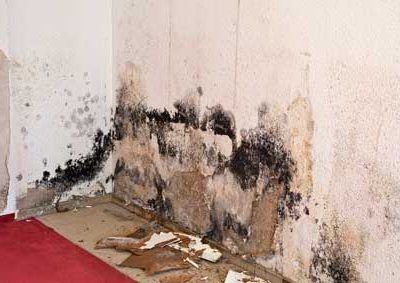
Mold Remediation and Prevention Measures
Mold removal starts with containment so spores don’t spread while we work. We set up negative air pressure and seal off vents and doors with plastic sheeting.
Techs wear protective gear and run HEPA air scrubbers to catch airborne spores. Anything moldy that can’t be saved—like drywall or insulation—gets removed and tossed.
We treat surfaces with antimicrobials and, if it makes sense, seal them to prevent future growth. But honestly, unless we fix the moisture problem, mold will just come back.
Prevention steps we take:
- Keep indoor humidity under 60%
- Ventilate bathrooms and crawl spaces
- Fix leaks in roofs, pipes, and foundations
- Add vapor barriers where needed
After we’re done, we test again to make sure spore counts are back to normal before closing up the area.

Advanced Biohazard Cleanup and Sanitization Solutions
Biohazard and sewage cleanup are a whole different animal—there’s real risk from bacteria and viruses. Sewage backups, for example, are Category 3: the worst kind of contaminated water.
Crews suit up with respirators, gloves, and full-body gear. Anything porous that touched sewage gets thrown out; there’s just no way to disinfect it safely.
Hard surfaces get scrubbed with EPA-registered disinfectants, following label instructions for strength and contact time. That’s the only way to be sure it’s really clean.
We restore air quality with HEPA filters and odor treatments. All contaminated debris is disposed of per local biohazard rules, with documentation to back it up.
Our biohazard cleanup team responds quickly to various scenarios requiring specialized sanitization, including:
- Crime scene cleanup and forensic cleaning
- Blood and bodily fluid removal
- Hoarding cleanup and sanitization
- Suicide and unattended death cleanup
- Infectious disease decontamination
- Sewage backup remediation
- Medical waste disposal
- Methamphetamine lab cleanup
We follow strict OSHA guidelines and industry protocols while using hospital-grade disinfectants and specialized equipment to ensure complete decontamination. Our team arrives in full personal protective equipment (PPE) and carefully contains the affected area to prevent cross-contamination.
Expert Solutions and Specialized Techniques
Restoration takes more than just elbow grease—it’s about using the right gear and having experienced people on call. We bring in top-notch tools for water extraction, drying, and emergency response, always keeping professional standards in mind.
Advanced Water Extraction and Structural Drying
We get standing water out fast, using industrial extractors that can pull thousands of gallons per hour. That’s huge for stopping further damage to floors, walls, or your home’s structure.
Drying isn’t just about removing water you can see. We set up dehumidifiers and air movers throughout the space, pulling moisture out of walls, ceilings, and subfloors. Our techs use thermal cameras and moisture meters to check progress.
Our Water Extraction Process:
- Assessment: Figure out water type and what’s affected
- Extraction: Remove standing water with powerful machines
- Drying Setup: Place air movers and dehumidifiers based on readings
- Monitoring: Recheck moisture daily until everything’s dry
This way, we avoid mold and structural problems down the line. Most residential jobs are dry and done in three to five days.
Emergency Response and 24/7 Availability
We’re on call 24/7 for emergencies in Pittsburg. Usually, we’re there within 60-90 minutes after you call—which really helps keep damage and costs down.
Water damage gets worse fast, especially in the first couple of days. Mold can show up in just 24 hours, and building materials start breaking down quickly.
Our emergency services include immediate water removal, board-up for fire damage, and containment for mold. We also work directly with your insurance to get claims moving and start repairs right away.
IICRC Certification and Professional Standards
Our technicians are IICRC certified in water damage restoration, fire damage restoration, and mold remediation. Getting this certification means they’ve gone through hands-on training, learned the ropes on safety, and picked up the latest restoration methods.
We stick to IICRC S500 for water damage and S520 for mold—these are the gold standards for the industry. They cover everything from containment to removal and prevention. For commercial jobs, we make sure we’re in line with local building codes and safety rules. No shortcuts.
Every step gets documented—moisture readings, photos, progress notes, the works. This way, property owners have solid proof if insurance questions come up, and it keeps us honest every step of the way.
Restoration and repair services
We Provide

Mold Removal


Biohazard Cleanup

What commercial or residential service
can we help you with today?
Reasons Why Customers
Choose Our Experienced Team

Upfront pricing

Highly rated team

Decades of experience

Skilled and trained technicians

24/7 emergency services

Eco-Friendly & saving solutions

1000's of satisfied customers

Certified and trained techs

We work with your insurance company
