
Your Lakewood Water, Fire, Mold and Biohazard Damage Restoration Team
Call Us TodayWhen disaster strikes your Lakewood property, immediate professional response can mean the difference between minor repairs and extensive structural damage. Water leaks, fire incidents, mold growth, and biohazard situations require specialized equipment and trained technicians to restore your home or business safely and efficiently.
Professional restoration services in Lakewood address water damage, fire and smoke damage, mold remediation, and biohazard cleanup through systematic assessment, containment, removal, and restoration processes that protect both your property and health. We understand that emergencies don’t follow a schedule, which is why restoration teams operate 24/7 to respond when you need help most.
The restoration process involves more than cleaning up visible damage. Proper mitigation prevents secondary issues like hidden moisture pockets, lingering smoke odors, or concealed mold colonies that can compromise your property’s integrity and create long-term health risks for occupants.
The Action 1 Restoration Comprehensive Restoration and Mitigation Services in Lakewood CO
Property damage from water, fire, mold, or biohazards requires immediate professional intervention to prevent further deterioration and health risks. Our team provides complete restoration and mitigation services that address both visible damage and underlying issues throughout Lakewood CO.
Emergency Water Damage Restoration Process
Water extraction begins within the first hour of our arrival to prevent structural damage and mold growth. We use industrial-grade pumps and vacuums to remove standing water from affected areas, followed by moisture detection using thermal imaging cameras and hygrometers to locate hidden water pockets in walls, ceilings, and subfloors.
Structural drying involves positioning commercial dehumidifiers and air movers strategically throughout the property. We monitor moisture levels daily until readings return to normal standards, typically within 3-5 days depending on the severity.
Our water damage restoration process includes:
- 24/7 emergency response to minimize damage progression
- Complete water extraction from all affected surfaces
- Moisture mapping to identify hidden water intrusion
- Antimicrobial treatment to prevent bacterial growth
- Content pack-out for items requiring specialized drying
We document all findings and moisture readings for insurance purposes. Our team works directly with insurance adjusters to streamline claims processing while keeping property owners informed throughout the restoration timeline.

Expert Fire and Smoke Damage Restoration
Fire damage restoration starts with property assessment to determine structural integrity and safety hazards. We secure the premises through emergency board-up services, protecting exposed areas from weather and unauthorized entry while restoration work proceeds.
Smoke damage restoration requires specialized techniques based on the type of fire residue present. Protein residues from kitchen fires demand different cleaning methods than synthetic smoke from burning plastics or fabrics.
Our fire restoration approach includes:
| Service | Purpose |
|---|---|
| Soot removal | Eliminate acidic residues that cause corrosion |
| Thermal fogging | Neutralize embedded smoke odors |
| Content cleaning | Restore salvageable personal belongings |
| Structural repairs | Rebuild damaged walls, floors, and ceilings |
Odor removal involves using hydroxyl generators and ozone treatments to eliminate persistent smoke smells from porous materials. We clean HVAC systems to prevent smoke particles from recirculating throughout the property. Structural repairs begin once all cleaning and deodorization work is complete.
Our Mold Remediation and Prevention Approach
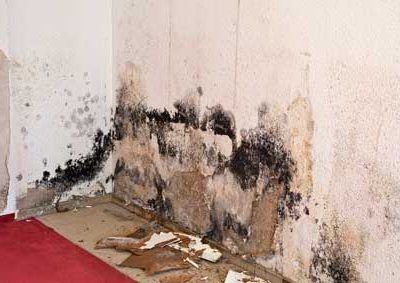
Mold removal starts with containment using physical barriers and negative air pressure to prevent spore migration to unaffected areas. We identify the moisture source causing mold growth, whether from leaks, condensation, or inadequate ventilation, and address it before remediation begins.
Our technicians remove contaminated materials following IICRC standards and disposal regulations. HEPA filtration runs continuously during remediation to capture airborne spores. We apply antimicrobial treatments to affected surfaces after physical removal is complete.
Prevention measures include:
- Installing vapor barriers in crawl spaces
- Improving ventilation in bathrooms and kitchens
- Repairing plumbing leaks and roof damage
- Maintaining indoor humidity below 50%
We conduct post-remediation testing to verify successful mold removal. Our team provides humidity monitoring recommendations and identifies areas vulnerable to future mold growth. Structural drying equipment ensures all moisture is eliminated from building materials before reconstruction.

Professional Biohazard and Trauma Cleanup Procedures
Biohazard cleanup services require strict adherence to OSHA bloodborne pathogen standards and EPA regulations for handling contaminated materials. Our technicians wear personal protective equipment including respirators, gloves, and protective suits during all biohazard cleaning operations.
We remove and properly dispose of all contaminated materials in clearly marked biohazard containers. Affected surfaces undergo cleaning with hospital-grade disinfectants proven effective against pathogens, followed by multiple sanitization passes to ensure complete decontamination.
Biohazard cleanup includes:
- Crime scene and trauma cleanup
- Unattended death remediation
- Sewage backup sanitation
- Hoarding situation restoration
- Infectious disease decontamination
We use ATP testing to verify surface cleanliness after disinfection. Odor removal treatments address decomposition smells using enzymatic cleaners and advanced oxidation methods. Our team maintains complete discretion during biohazard cleaning projects and coordinates with law enforcement or property managers as needed.
Key Components of Property Restoration and Repair in Lakewood
Property restoration in Lakewood involves specialized processes that address water intrusion, fire damage, mold growth, and biohazard contamination. Each restoration scenario requires specific techniques, professional equipment, and certified expertise to return properties to safe, livable conditions.
Water Extraction, Drying, and Dehumidification
When emergency water damage occurs, immediate water removal becomes critical to prevent secondary damage. We use truck-mounted extractors and portable pumps to remove standing water within the first 24-48 hours. The faster water extraction begins, the less damage your property sustains.
After initial water removal, we deploy industrial-grade drying equipment throughout affected areas. Air movers create airflow across wet surfaces while dehumidification units pull moisture from the air and building materials. We place equipment strategically to target walls, floors, subfloors, and other structural components.
Professional restoration companies use moisture meters and thermal imaging cameras to detect hidden water in wall cavities and beneath flooring. This monitoring continues for 3-5 days on average, depending on the extent of damage and materials affected. We document moisture levels daily to ensure complete drying and prevent mold growth.
The dehumidification process maintains proper humidity levels between 30-50% during water damage repair. Without proper drying equipment and techniques, moisture can remain trapped in building materials for weeks, leading to structural deterioration and health hazards.
Smoke Odor and Residue Removal
Fire and smoke damage restoration requires specialized cleaning services to address soot, ash, and persistent odors. We assess the type of fire that occurred—whether protein-based, synthetic, or wood—since each leaves different residues requiring specific cleaning approaches.
Soot removal begins with dry cleaning methods using specialized sponges and vacuums equipped with HEPA filters. We work from top to bottom, addressing ceilings, walls, and floors systematically. Wet cleaning follows for surfaces that can withstand moisture, using pH-balanced solutions designed for smoke residue.
Thermal fogging and ozone treatments eliminate smoke odors that penetrate porous materials like drywall, insulation, and wood framing. We seal off treated areas during these processes, which typically take 24-48 hours depending on damage severity. Air scrubbers with activated carbon filters run continuously to capture airborne particles.
Contents restoration includes cleaning salvageable furniture, electronics, and personal items. We often transport severely affected contents to off-site facilities with controlled environments and specialized equipment. Items requiring disposal are documented with photos for insurance claims.
Contents and Structural Restoration
Property restoration addresses both the building structure and personal belongings damaged during disasters. We categorize contents into salvageable, questionable, and non-salvageable groups during initial assessment. This inventory process includes detailed documentation with photographs and written descriptions for insurance purposes.
Contents Restoration Process:
- Pack-out services – Remove items from damaged areas for cleaning and storage
- Cleaning and deodorization – Apply specialized techniques based on damage type
- Climate-controlled storage – Protect items during property repairs
- Content reinstallation – Return cleaned items after structural work completes
Structural restoration rebuilds damaged framing, drywall, flooring, and roofing systems. We coordinate with licensed contractors for electrical, plumbing, and HVAC repairs needed after water or fire damage. Mold remediation services integrate into this phase when fungal growth has compromised building materials.
We replace insulation, subflooring, and drywall in water-damaged areas rather than attempting to dry severely affected materials. This approach prevents future mold problems and ensures structural integrity. Fire damage often requires more extensive demolition to remove charred materials and compromised framing.
Choosing a Restoration Company and Working With Insurance
Select a restoration company with IICRC certification, 24/7 emergency response, and experience handling your specific damage type. We recommend verifying licensing, insurance coverage, and references from recent Lakewood projects. Local companies typically respond faster than national franchises, arriving within 1-2 hours of your call.
Request a detailed scope of work and estimate before restoration begins. Reputable companies provide transparent pricing and timeline expectations. Ask about their equipment inventory, staff training, and quality control processes. Companies should offer direct insurance billing and claims assistance.
Most property restoration companies work directly with insurance adjusters to document damage and justify necessary repairs. We photograph all affected areas, create moisture maps, and maintain daily progress logs. This documentation proves essential for claim approval and helps maximize your settlement.
Your insurance policy typically covers emergency mitigation services like water extraction and board-up, even before claim approval. We initiate these services immediately to prevent additional damage, which insurers expect policyholders to mitigate. Standard homeowner policies cover sudden water damage from burst pipes but may exclude flood damage requiring separate coverage.
Communication between you, the restoration company, and your insurance adjuster determines project success. We provide regular updates on drying progress, unexpected findings, and timeline changes. Keep copies of all estimates, invoices, and correspondence related to your claim.
Restoration and repair services
We Provide
Mold Removal


Biohazard Cleanup

What commercial or residential service
can we help you with today?
Reasons Why Customers
Choose Our Experienced Team

Upfront pricing

Highly rated team

Decades of experience

Skilled and trained technicians

24/7 emergency services

Eco-Friendly & saving solutions

1000's of satisfied customers

Certified and trained techs

We work with your insurance company
