
Your Newark Water, Fire, Mold and Biohazard Damage Restoration Team
Call Us TodayProperty damage from water, fire, mold, or biohazardous materials requires immediate professional attention to prevent further harm to your Newark, DE home or business. We provide 24/7 emergency restoration services that address these critical situations with certified techniques and advanced equipment, helping property owners recover quickly and completely. The faster restoration begins, the less extensive the damage becomes and the lower the overall costs of repair.
Understanding what restoration services involve and how to prevent future damage protects your investment and ensures your property remains safe for occupants. Each type of damage presents unique challenges that require specific approaches, from water extraction and structural drying to smoke removal and biohazard containment. Our experience across residential and commercial properties has shown that proper response protocols make the difference between minor repairs and major reconstruction.
We work directly with most insurance companies to streamline the claims process while our technicians assess damage, implement restoration procedures, and return your property to its pre-loss condition. The following sections explain the full range of services available and the proven methods we use to restore and protect properties in Newark.
Comprehensive Restoration Services in Newark, DE
Professional restoration services in Newark address multiple types of property damage through specialized techniques and equipment. Each restoration process follows industry standards while adapting to the specific conditions of affected properties.
24 Hour Water Damage Mitigation Services
We begin water damage restoration with a thorough assessment of the affected areas to determine the extent of moisture intrusion. Our team uses industrial-grade extraction equipment to remove standing water, followed by the deployment of commercial dehumidifiers and air movers to eliminate residual moisture from walls, floors, and structural components.
Moisture detection equipment allows us to identify hidden water pockets that could lead to secondary damage. We monitor humidity levels throughout the drying process to ensure complete moisture removal. This typically takes 3-5 days depending on the severity of the damage and the materials affected.
Our water damage restoration services include documentation for insurance billing purposes, making the claims process more straightforward for property owners. We also address immediate concerns like burst pipes or roof leaks while simultaneously beginning the restoration work.

Our Fire Damage Restoration Process
Fire damage restoration involves multiple phases, starting with emergency board-up services to secure the property. We remove smoke residue, soot, and charred materials using specialized cleaning agents designed for different surface types.
Structural assessment identifies compromised building components that require repair or replacement. Our team addresses both visible fire damage and hidden issues like weakened support beams or damaged electrical systems. We clean and restore salvageable contents while properly disposing of items beyond repair.
Odor elimination requires more than simple cleaning. We use thermal fogging, ozone treatment, or hydroxyl generators to neutralize smoke odors that penetrate porous materials. HVAC systems receive thorough cleaning to prevent smoke particles from recirculating throughout the property.
Our Mold Remediation Services in Newark
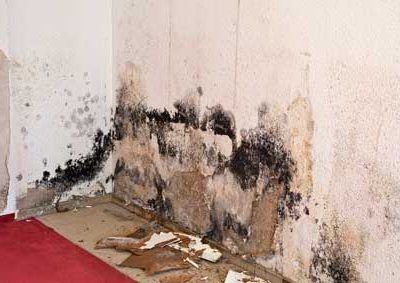
Mold remediation begins with containment to prevent spore spread to unaffected areas. We establish negative air pressure using HEPA filtration systems and seal off contaminated zones with plastic sheeting.
Our process includes:
- Source identification – locating and eliminating moisture sources
- Material removal – disposing of heavily contaminated porous materials
- Surface treatment – applying antimicrobial solutions to affected areas
- Air scrubbing – filtering airborne spores during and after removal
We test air quality before and after remediation to verify successful mold removal. Post-remediation verification ensures the property meets safety standards before we remove containment barriers.

Our Biohazard and Crime Scene Cleanup Services
Biohazard cleanup requires specialized training and personal protective equipment to safely handle contaminated materials. We respond to situations involving sewage backups, blood, bodily fluids, and other potentially infectious substances that pose health risks.
Our team follows OSHA regulations and EPA guidelines during biohazard removal. We properly dispose of contaminated materials through licensed medical waste facilities and thoroughly disinfect all affected surfaces using hospital-grade antimicrobial agents.
Complete sanitization includes treating subflooring, wall cavities, and other hidden areas where biohazards may have penetrated. We verify cleanliness through ATP testing or similar methods to confirm the property is safe for occupancy.
Key Restoration Techniques and Prevention Methods
Successful restoration requires immediate action and proven techniques to address water extraction, control humidity, prevent mold spores, and eliminate smoke damage. We focus on structural drying methods, containment strategies, and protective measures that minimize property damage and restore safety.
Water Extraction and Structural Drying
We begin water damage repair by removing standing water using submersible pumps and industrial-grade wet vacuums within the first 24 hours. This immediate water extraction prevents further water intrusion into building materials and reduces the risk of structural compromise.
Drying and dehumidification follow extraction. We position commercial air movers to circulate air across wet surfaces while dehumidifiers pull moisture from the environment. Our structural drying process targets hidden moisture in wall cavities, subflooring, and insulation using moisture meters to track progress.
We maintain indoor humidity below 50% and monitor temperature levels to accelerate evaporation. High-velocity fans direct airflow to saturated areas, while desiccant dehumidifiers handle severe moisture conditions. This systematic approach typically requires 3-5 days depending on the extent of water intrusion and affected materials.
Mold Prevention After Water Damage
We implement mold prevention measures immediately during flood cleanup to stop mold growth before it starts. Mold spores can colonize within 24-48 hours of water exposure, making speed critical for effective prevention.
Our team removes water-damaged porous materials like carpet padding, drywall, and insulation that cannot be adequately dried. We apply antimicrobial treatments to affected surfaces and use air scrubbers with HEPA filters to capture airborne mold spores during the drying process.
We seal off contaminated areas with plastic sheeting to prevent cross-contamination. Continuous monitoring of humidity levels and moisture content in materials ensures we prevent mold before it becomes a larger remediation issue. Proper ventilation and maintaining dry conditions are essential for long-term mold prevention in Newark properties.
Handling Smoke and Soot Damage
Smoke damage requires specialized cleaning techniques beyond standard methods. We assess the type of fire and resulting residue, as protein-based smoke from kitchen fires differs from synthetic material smoke, requiring different cleaning agents.
We remove loose soot using dry chemical sponges without water, which can set stains permanently. Thermal fogging and ozone treatments neutralize odors embedded in porous surfaces. Our technicians clean walls, ceilings, and contents with pH-balanced cleaners formulated for specific residue types.
Air scrubbers run continuously to filter smoke particles from the air. We seal porous surfaces after cleaning to lock in any remaining odors. HVAC systems receive thorough cleaning since smoke infiltrates ductwork and spreads throughout structures.
Dealing with Burst Pipes, Floods, and Storm Damage
A burst pipe demands immediate water shutoff at the main valve to limit flood damage. We extract standing water quickly, then inspect for secondary damage to electrical systems, flooring, and wall structures that compromise building integrity.
Storm damage often combines water intrusion with structural repairs needs. We tarp damaged roofs, board broken windows, and secure openings to prevent additional water entry. Our crews document all property damage with photos for insurance claims while stabilizing the structure.
Flood cleanup from storms introduces contaminated water requiring different protocols than clean water from burst pipes. We dispose of contaminated materials according to safety regulations and sanitize all affected areas. Category 3 water (sewage or floodwater) necessitates protective equipment and thorough disinfection to protect occupants from health hazards.
Restoration and repair services
We Provide
Mold Removal

Fire Damage

Biohazard Cleanup

What commercial or residential service
can we help you with today?
Reasons Why Customers
Choose Our Experienced Team

Upfront pricing

Highly rated team

Decades of experience

Skilled and trained technicians

24/7 emergency services

Eco-Friendly & saving solutions

1000's of satisfied customers

Certified and trained techs

We work with your insurance company
