
Your Sparks Water, Fire, Mold and Biohazard Damage Restoration Team
Call Us TodayProperty damage from water, fire, mold, or biohazardous materials is a real headache—and it needs quick, professional attention to avoid more trouble and health risks. In Sparks, NV, these emergencies can hit out of nowhere, so having access to dependable restoration pros is pretty much essential for protecting your property and everyone inside.
Restoration companies in Sparks are ready 24/7 for water, fire, mold, and biohazard emergencies, using specialized gear and certified crews to get things back to normal. They handle everything from burst pipes and flooding to smoke damage and hazardous messes.
Let’s be honest: damage restoration is complicated. You need technical know-how and fast action. Here, we’ll take a look at what Sparks restoration experts actually do and the techniques they use for each type of property disaster.
Comprehensive Damage Restoration Services in Sparks, NV
In Sparks, property owners deal with threats like water leaks, fires, mold outbreaks, and biohazard events. Restoration services come prepared with the right tools, trained people, and the ability to act fast—whether it’s a home or a business.
Water Extraction and Structural Drying
For water damage, we start with extraction. Industrial pumps and vacuums get rid of standing water, ideally within the first day or so. Our trucks and portable units can move a lot of water fast, which is crucial.
Once that’s done, it’s all about drying. We use thermal cameras and moisture meters to find hidden damp spots—sometimes inside walls or under floors. Commercial dehumidifiers and high-speed fans help dry things out by controlling the air and temperature.
Drying can take anywhere from three days to a week, depending on how bad it is. We check moisture levels daily and keep records for your insurance claim. Different materials—like hardwood, drywall, or insulation—need their own drying tricks to avoid lasting damage.
- 24/7 emergency response and immediate water extraction
- Professional assessment and documentation of damage
- Advanced structural drying and dehumidification
- Antimicrobial treatment to prevent mold growth
- Content restoration and pack-out services
- Odor removal and air quality control
- Direct insurance billing and claim assistance

Fire and Smoke Damage Cleanup and Repair
Fire cleanup deals with what you can see—and what you can’t. First, we check if the structure is safe. Then, soot removal starts right away, since those residues keep eating away at surfaces long after the fire’s out.
Smoke damage cleanup depends on what burned:
- Protein fires leave a strong smell and nearly invisible residue—these need special enzymatic cleaners
- Synthetic material fires make sticky, oily soot that calls for solvent-based products
- Natural material fires leave dry ash that we can usually remove with HEPA vacuums
We use dry cleaning for lighter messes and wet cleaning when things are worse. Sometimes, abrasive or immersion cleaning is needed. For anything that soaks up odors—like carpets or upholstery—we use treatments like thermal fogging, ozone, or hydroxyl generators to clear the air.
Our fire damage restoration services include:
- 24/7 emergency response and board-up services
- Smoke and soot removal from all surfaces
- Deodorization and air purification
- Water extraction and drying from firefighting efforts
- Content cleaning and pack-out services
- Structural cleaning and restoration
- HVAC system cleaning and sanitization
- Wall, ceiling, and floor restoration
Advanced Mold Remediation and Removal
When it comes to mold, we start by sealing off the area to keep spores from spreading. Negative air machines with HEPA filters suck up particles, and plastic sheeting keeps the mess contained.
We follow EPA and industry guidelines. Any porous material—think drywall or carpet—that can’t be cleaned gets removed. Hard surfaces are HEPA vacuumed and treated with antimicrobial agents.
Key Remediation Steps:
- Eliminate the moisture source
- Set up containment
- Install air filtration
- Remove and dispose of affected materials
- Clean and treat all surfaces
- Test to make sure it’s really gone
We tackle the moisture problem at the same time, or else the mold will just come back. That could mean fixing leaks, boosting ventilation, or improving drainage—whatever it takes to keep things dry.

Odor, Sewage, and Biohazard Cleanup Procedures
Sewage cleanup really can’t wait—there’s just too much risk from bacteria, viruses, and who knows what else lurking in that water. We break water damage down into three categories, and sewage? That’s Category 3 “black water,” meaning it’s the worst of the bunch and needs the strictest approach. Our techs suit up in full gear: respirators, gloves, full-body suits—the works.
Anything contaminated that can’t be properly cleaned—carpet, padding, drywall, insulation—gets pulled out and disposed of. Hard surfaces get scrubbed with EPA-approved disinfectants, then hit with antimicrobial treatments. We make sure everything is dried out, too, since any leftover moisture just encourages nasty stuff to grow.
For odor removal, we pick from a few different tools depending on what’s causing the smell and how bad it is. Hydroxyl generators are great because they can run while people are still around, but for tougher jobs in empty spaces, we might use ozone machines. If odors just won’t quit, we sometimes seal porous materials to lock them down for good.
When it comes to biohazards like bodily fluids or decomposition, we follow OSHA rules for disposing of anything contaminated. All that waste gets hauled to certified facilities, and we keep records to prove it’s handled right. Once everything’s cleaned up, we do a final deodorization so the place is safe—and doesn’t smell like a science experiment gone wrong—before anyone moves back in.
Specialized Restoration Processes and Solutions
Every type of damage—water, fire, mold, or biohazard—calls for its own approach. There’s no one-size-fits-all fix. Restoration pros rely on the right tools, trained staff, and proven methods to get things back to how they were.
Key Restoration Solutions: Water, Fire, Mold, and Biohazard
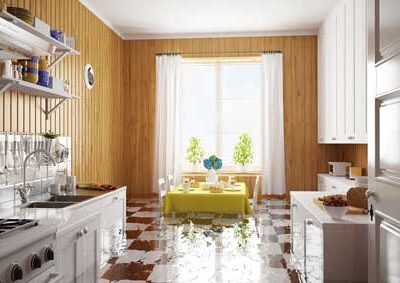
Water damage restoration covers flooding from things like broken pipes, appliance leaks, or storms. We pump out standing water, dry out the structure, and work to stop further problems like warping or mold. Usually, this means moisture checks, big dehumidifiers, and a lot of cleaning.
Fire cleanup isn’t just about charred spots. We deal with soot, smoke odors, and check for hidden structural issues. Sometimes, thermal imaging reveals damage you’d never spot otherwise.
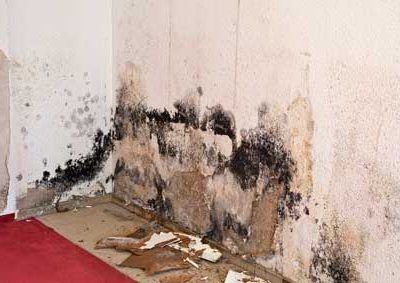
Mold remediation? That’s a whole process. We make sure spores don’t spread, hunt down the moisture source, remove anything contaminated, and treat the area with antimicrobial stuff. Air testing helps confirm we actually got rid of it.
Biohazard cleanup is on another level—think sewage, crime scenes, or other biological hazards. This kind of work follows strict safety steps, like:
- Full protective gear for everyone on site
- Safe, regulated disposal of anything contaminated
- EPA-approved cleaning agents
- Detailed documentation for insurance or regulators
24/7 Emergency Response and Rapid Recovery
Disasters don’t care about business hours, so restoration services in Sparks are on call day and night. Crews get dispatched right after you call—usually showing up within 60-90 minutes if you’re local.
Getting there fast really matters. Water can spread fast through a building, mold starts growing in just a day or two, and the longer fire residue sits, the tougher it is to remove. With round-the-clock service, we can start fixing things before they spiral out of control.
We also handle the paperwork with your insurance company—damage assessments, photos, all that—so you don’t have to juggle it alone. For major disasters, we’ll board up windows or doors to keep the place secure until repairs start.
Residential Versus Commercial Restoration Projects
Restoring homes is personal. We focus on living spaces, family safety, and try to work around your daily routine when possible. Salvaging furniture, electronics, and those irreplaceable keepsakes? That’s a big part of it.
Commercial jobs are a different beast. The main goal is to keep your business running, at least partially, while we work. Larger projects might mean coordinating with lots of people, using heavy-duty equipment, and following strict building codes.
The scale can be wildly different. A house might have a few rooms flooded, but a commercial building could see entire floors affected. Some businesses—like hospitals or restaurants—need us to follow extra protocols for specialized spaces.
Restoration and repair services
We Provide
Mold Removal


Biohazard Cleanup

What commercial or residential service
can we help you with today?
Reasons Why Customers
Choose Our Experienced Team

Upfront pricing

Highly rated team

Decades of experience

Skilled and trained technicians

24/7 emergency services

Eco-Friendly & saving solutions

1000's of satisfied customers

Certified and trained techs

We work with your insurance company
